

Soleil Metals, a subsidiary of OCIM, operates two processing plants in southern Peru. The company buys ore from Artisanal and Small-scale Miners (ASM) and produces doré bars for Good Delivery Refiners in Europe. Laurent Mathiot describes the two plants’ operations, which involve two parallel processes that culminate in the production of a doré bar. It takes months for a miner to enter the supply chain, while it takes only days for ore to cross the plant.
In the 1990s, ASM accounted for around 4% of global gold production at a price of nearly 250 dollars per ounce. Thirty years later, ASM accounts for nearly a fifth of global gold production and supports approximately twenty million livelihoods. However, according to LBMA, ASM makes up less than 1% of Good Delivery List Refiner throughput.
The reason is simple: Gold extracted and processed outside a documented chain of custody doesn’t meet the standards Refiners need to accept it. A miner who processes his own ore without going through an intermediary plant typically relies on mercury amalgamation, a method that extracts the coarse gold but leaves most of the metal in the rock and leaves no record of where the ore came from. An intermediary can only close this gap if it can document the origin of the ore, verify the miners’ identities, and audit its own due diligence. Such information may provide a basis for a Good Delivery Refiner to assess the material through its risk-based due diligence process, but the Refiner remains responsible for making its own sourcing decision in accordance with the Responsible Gold Guidance. Neither side can bridge this gap alone.
In Peru, processing plants fill that gap by bringing ore from several dozen miners – indeed, sometimes several hundred miners – together in one place for treatment. These industrial facilities buy unprocessed ore from non-owned operations, extract the gold, and produce doré bars for export. They act as the main aggregation point in the ASGM value chain. Due diligence and KYC are possible from mine site to transporter to the point of delivery at the processing plant. Once the ore is crushed, however, it becomes indistinguishable from any other batch, and that connection is lost forever.
Soleil Metals operates two processing plants, Victoria and Yacari, with a combined capacity of 450 metric tons per day once fully configured. OCIM acquired the plants in 2025 and returned them to service after three months of refurbishment. That October, both earned the first step of Swiss Better Gold accreditation.
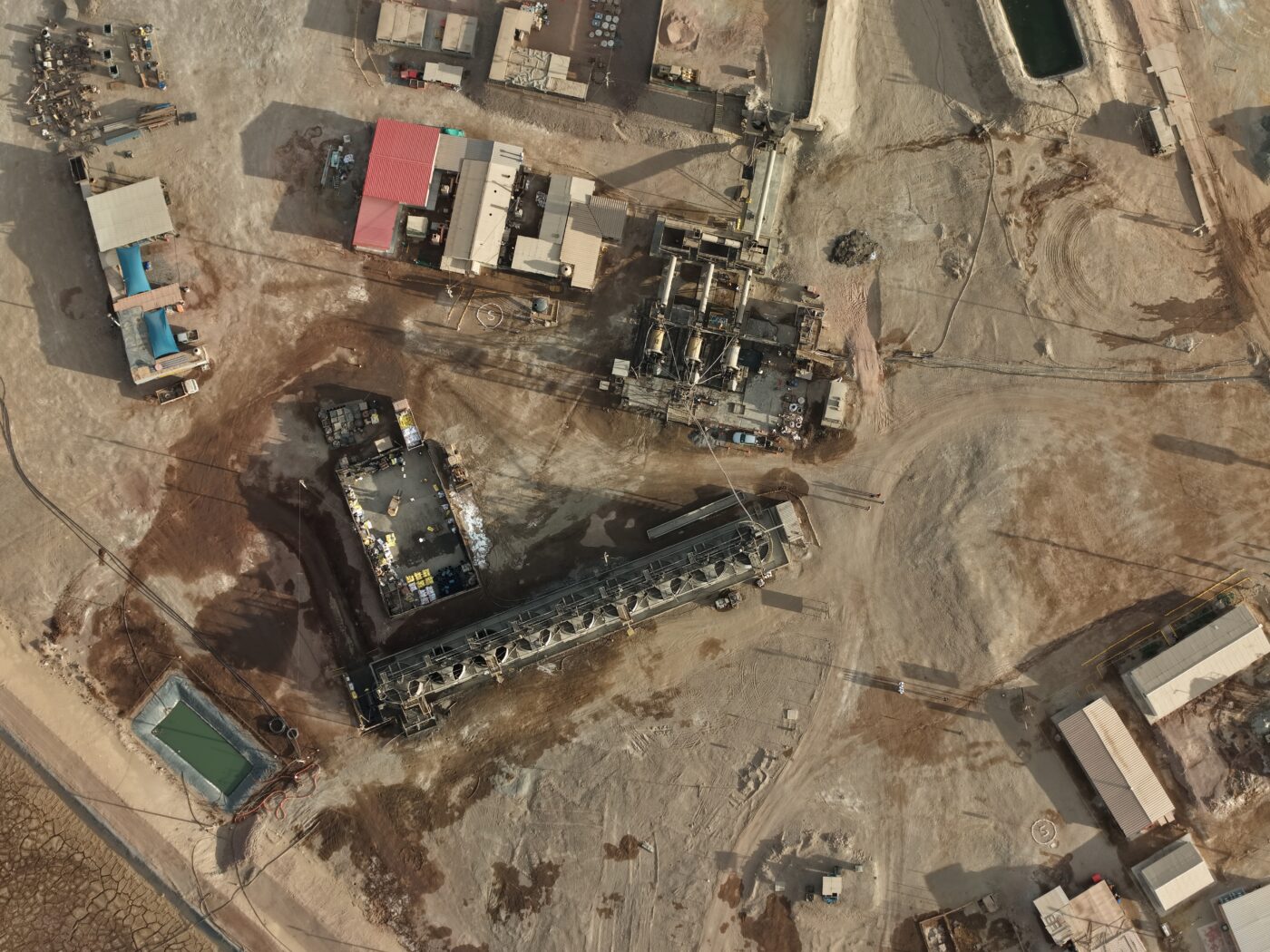
Yacari Plant - drone view
A miner’s journey, from home region to the first purchase
Risk assessment starts with geography. Exposure to organised crime in Peruvian mining varies sharply by location, and Soleil Metals applies a strict risk management policy. Each area undergoes a detailed assessment using specific indicators before the plant considers any supplier located there.
First, a zone must be evaluated as a Conflict-Affected and High-Risk Area (CAHRA). Only after this assessment is complete can onboarding begin for a supplier operating within it.
Once a zone clears that assessment, the next step is REINFO: Peru’s registry for miners in the process of formalisation, created in 2012 and maintained by the Ministry of Energy and Mines. The company verifies that the supplier is registered in REINFO, which allows for real-time verification of legal status and concession. Most importantly, REINFO allows plants to purchase from miners who are in the process of formalising. However, the registry has real limitations. So-called billing agents have rented out their registered status to illegal operators, allowing them to sell their products legally. Therefore, it is a necessary but insufficient starting point. Closing that gap is where the plant’s expertise comes in.
Soleil Metals’ onboarding process requires more than twenty documents, including those related to identity and beneficial ownership, screening against international sanctions lists, mining titles and permits, tax positions, and environmental, health, and safety conditions of the operation. It’s completed before the first purchase and applies the same customer-knowledge rules that a bank applies to its counterparties to the producer.
The plant’s verification process follows the structure set out by LBMA’s ASM Toolkit for this kind of due diligence. It is organised into three areas: the country’s regulatory framework, an examination of the operator, and a visit to the mine site. Independently, Soleil Metals fully implements the Toolkit and allows its refiner clients to examine it under the Toolkit upon request. Particular emphasis is placed on the third area, the on-site visit, since that is ultimately where a miner’s onboarding is decided. The visits are performed by a dedicated team of Soleil employees called DTP (Departamento Técnico de Proyecto) which includes four persons: a mine engineer, a technician, a geologist and a specialist in traceability.
The site visit reveals what no administrative record can establish. First, the verifier checks that the coordinates declared in REINFO and in the IGAFOM environmental filing are inside the authorised concession polygon. The verifier then maps the ore’s route to the plant, checking for CAHRA zones, armed groups, and extortion risks along the way — a check that extends beyond the mine site itself.
On site, the verifier records the type of operation and its structural conditions, such as ventilation, support, and lighting, as well as the equipment in use. Questions about the workers cover their number and the absence of child and forced labour.
Questions about the environment cover whether mercury is used and, if so, whether the corresponding chemical permits are registered with SUNAT. Finally, questions about security forces cover the presence of any illegitimate armed groups.
Once the file is complete and the visit is conclusive, the supplier can sell their first batch. Months of preparation determine everything that happens at the gate.
The journey of a batch: from the gate to the strongroom
Ore arrives at the gate in batches, each tied to an onboarded supplier. Each batch is weighed, assigned a reference number, and stored separately by a producer in the reception area. A sample is sent to the plant’s laboratory, which runs an assay to determine the grade.
The grade establishes the price of the batch and how much the miner will be paid.
The same sample undergoes various checks, including a Picoyune reading that tests for mercury. Mercury occurs naturally in gold-bearing ore, and any concentration inconsistent with the geology of the declared source is flagged for review. Mercury recovered during processing is recorded and stored rather than released. Soleil Metals has chosen to implement origin verification technology (OVT) for every batch, selecting xTrace — the system built by the Swiss company aXedras — to capture the rock’s chemical fingerprint.
This technology is the second pillar of the plant’s traceability system, alongside the supplier’s compliance file. The rock’s signature is compared against the characterisation recorded for that producer. The result is archived on an immutable ledger that can be shared with counterparties downstream. If the signature does not match, the plant follows up with the miner to clarify the situation and verify the batch’s traceability. This approach borrows from banking surveillance but monitors origin rather than unusual transactions.
Alongside these technical checks, every transaction undergoes a series of administrative checks that verify the supplier’s legal status, tax data, and declaration of mercury-free extraction in real time. This declaration is a contractual obligation that binds the miner and the plant at every purchase. One check weighs the volume delivered against what is officially known about the miner’s production capacity. Does the tonnage match what the plant expected from an operation of that size based on the miner’s file and the site visit? A batch that does not align with the declared operation is a sign in itself, regardless of the chemical signature.
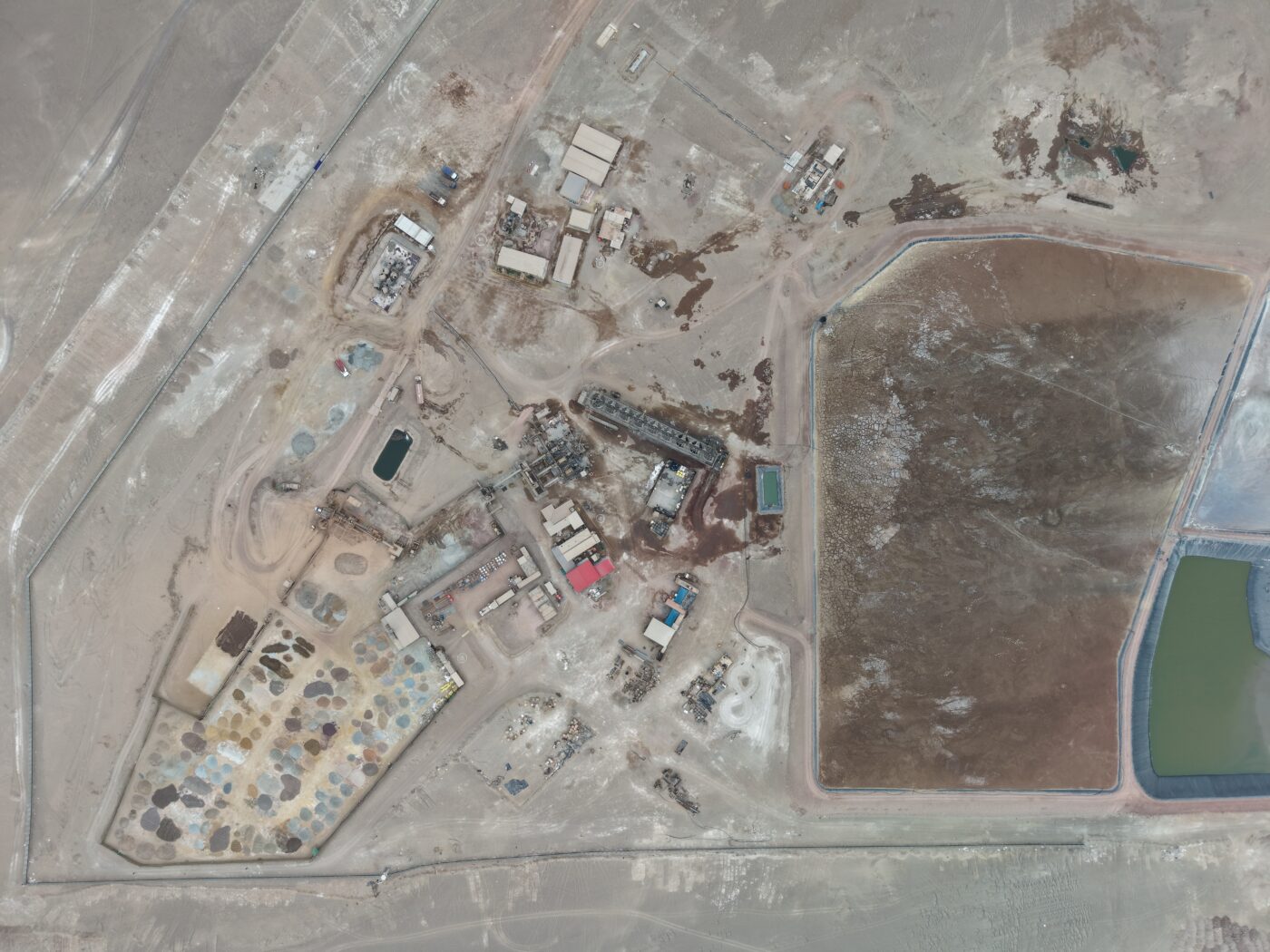
Yacari plant
After these checks are completed, the plant makes an offer to the supplier based on the grade determined in the laboratory. The price is set from LBMA’s gold price of the day, minus a discount that covers collection and processing costs. Indexing the price to this public reference resolves an age-old source of distrust in the sector. Traders and plants compete for the same ore, and miners have long been sceptical of the returns quoted to them. A publicly benchmarked price, backed by an assay procedure that the supplier can inspect, encourages the miner to return with the next load.
Payment leaves a record of its own. Soleil Metals has a strict non-cash policy: every purchase is settled by bank transfer to an account opened in the supplier’s name. The supplier provides these account details during onboarding, and Soleil Metals verifies them in advance rather than taking them at face value at the time of payment. A mandatory withholding also sends part of the VAT straight to the tax authority, building tax compliance into the transaction itself rather than leaving it to be declared afterward.
Once the price is set and paid, the ore becomes Soleil Metals’ property, and processing can begin. Crushing reduces the rock, grinding releases the gold particles, and the gold dissolves through closed-loop cyanidation. Then, it is fixed by adsorption onto activated carbon, which concentrates the gold before recovery. The pulp settles in the tailings dam. The clarified solution is then recovered, reanalysed, and returned to the process. This recirculation cuts water and cyanide consumption. Residues are contained and monitored.
Finally, the gold is desorbed, recovered, melted, and cast into doré bars. The volumes are reconciled from start to finish.
The second point at which the metal is measured is dispatch. In the strongroom, each doré bar is weighed, numbered, and drilled at three shallow points. Half a gram of filings is used to verify the fineness, and the rest is kept for three months as a counter-sample in case of any disputes. Then, it returns to a later casting cycle. Upon exiting, the bar’s fingerprint is recorded using xTrace, the same technology applied to the incoming ore. A refiner who chooses to repeat the same measurement can confirm, through comparison rather than trust, that the received metal is the same metal that left the plant. In November 2025, Soleil Metals delivered its first doré bar verified this way to Argor-Heraeus.
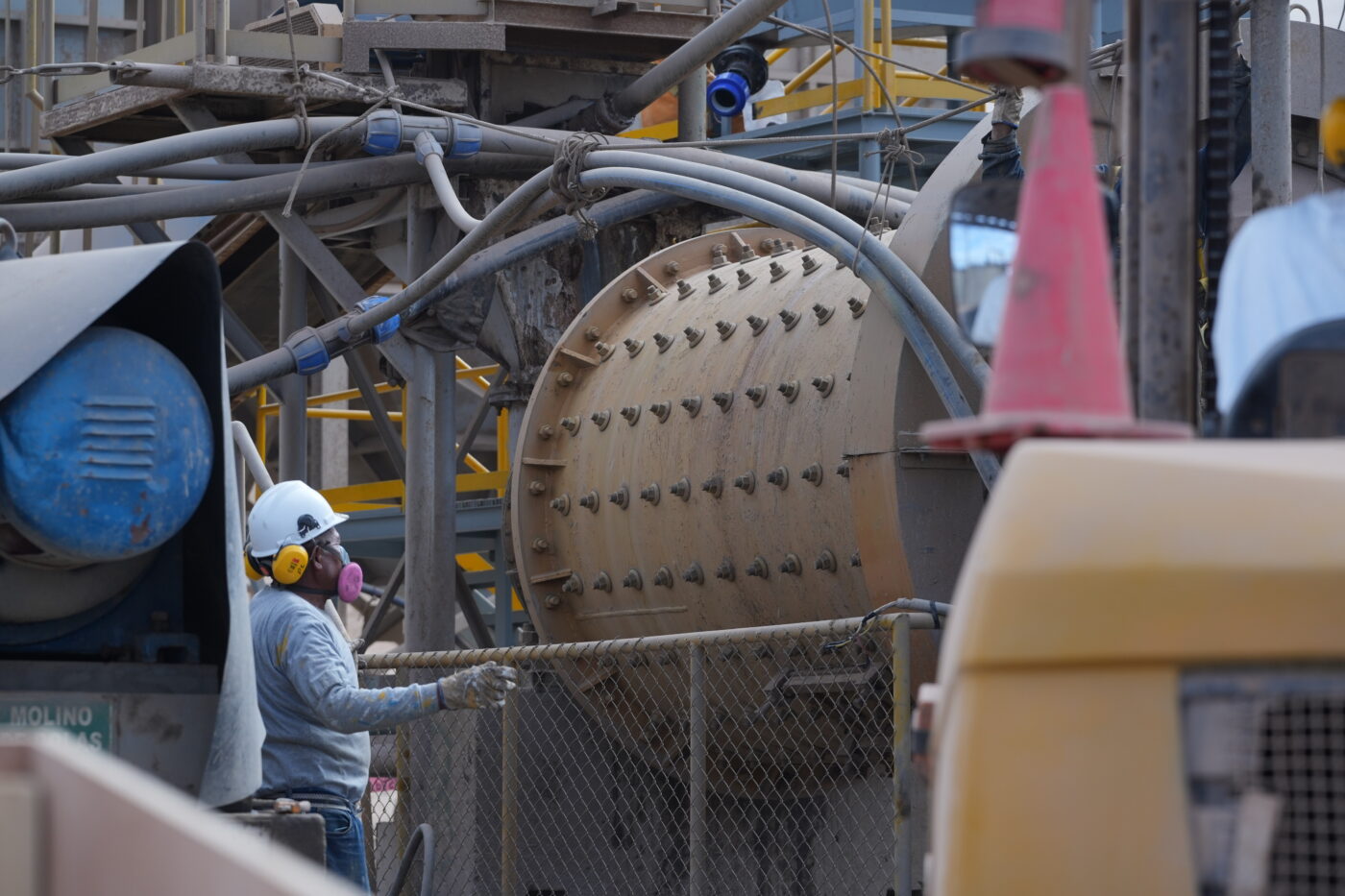
Crushing process at Yacari plant
Who benefits?
Three parties benefit: the miner, the environment in which he works, and the refiner who buys the doré. Financial incentive comes first. By selling his ore to the plant, the miner benefits from a recovery rate above 90%.
This is a significant improvement over the 30–40% yield typically associated with mercury amalgamation. This difference translates directly into income. The sale also comes with written, stable terms at a price indexed to a public reference.
Formalisation is an additional benefit, achieved through the plant’s support. As part of its Swiss Better Gold certification, Soleil Metals commits to supporting the miner’s formalisation over time through a joint action plan covering administrative formalisation, occupational safety, and environmental management with specific goals and timelines. Risk profiles and permit validity are reviewed periodically thereafter. A regular presence in the field turns the plan into practice through training at the plant or in nearby communities, mining fairs, advice on specific work, and, in some cases, co-financing for community development projects. This gives miners a reason to operate within the law — and denies illegal networks a resource. These networks thrive on gold whose origin nobody can establish.
The environment benefits too, mostly away from the plant itself. Since suppliers sell their ore in its raw state, mercury amalgamation disappears from mine sites. The mercury that the rock naturally carries is captured and stored rather than dispersed. Formalisation provides support that reinforces this at the mine level. Training in waste handling, water management, and safer site practices gives miners practical reasons, not just legal ones, to operate more responsibly.
Finally, the refiner gains access to a supply it can defend: metal that arrives with its file already assembled by the party closest to the miner and with a fingerprint that the refiner can verify.
All of these things already exist and work. The ASM Toolkit is published by LBMA. Formalisation registries operate in several producing jurisdictions. Origin-verification technology is commercially available. What’s missing is not innovation, but application — consistently bringing all of these elements together at scale. Do that, and roughly 20% of world gold production that ASM already represents could transition from the fringes of the market to its core, closing the gap with the less than 1% that currently reaches Good Delivery Refiners.
