‘Urban mining’ is becoming an increasingly familiar term, but what does it look like in reality? How can gold be recovered beyond the traditional methods we’ve long relied on, and what does the future look like?
What is Urban Mining?
The World Economic Forum defines urban mining as the extraction of valuable materials from waste, an essential pillar of the circular economy. Today, around 7% of the world’s gold sits within e-waste, yet less than 20% of electronic waste is recycled globally. This leaves gold, silver, copper, palladium, and other valuable metals, conservatively worth $57 billion (a sum greater than the GDP of many countries) largely discarded rather than reused. With geopolitical instability driving demand for gold as a store of value, and the increasing significance of protecting the supply of domestic critical raw materials, urban mining takes on even greater significance.
Since 2022, The Royal Mint has partnered with Excir, a Canadian clean-tech company with a solution capable of recovering gold from circuit boards in minutes at ambient temperatures. This represents a contrast to many traditional precious metals recovery methods, which can rely on high-temperature smelting processes exceeding 1,000C - and require substantial energy input. By operating at room temperature and removing the need for intensive heat-based processing, the technology significantly reduces energy consumption and associated carbon emissions.
The Process
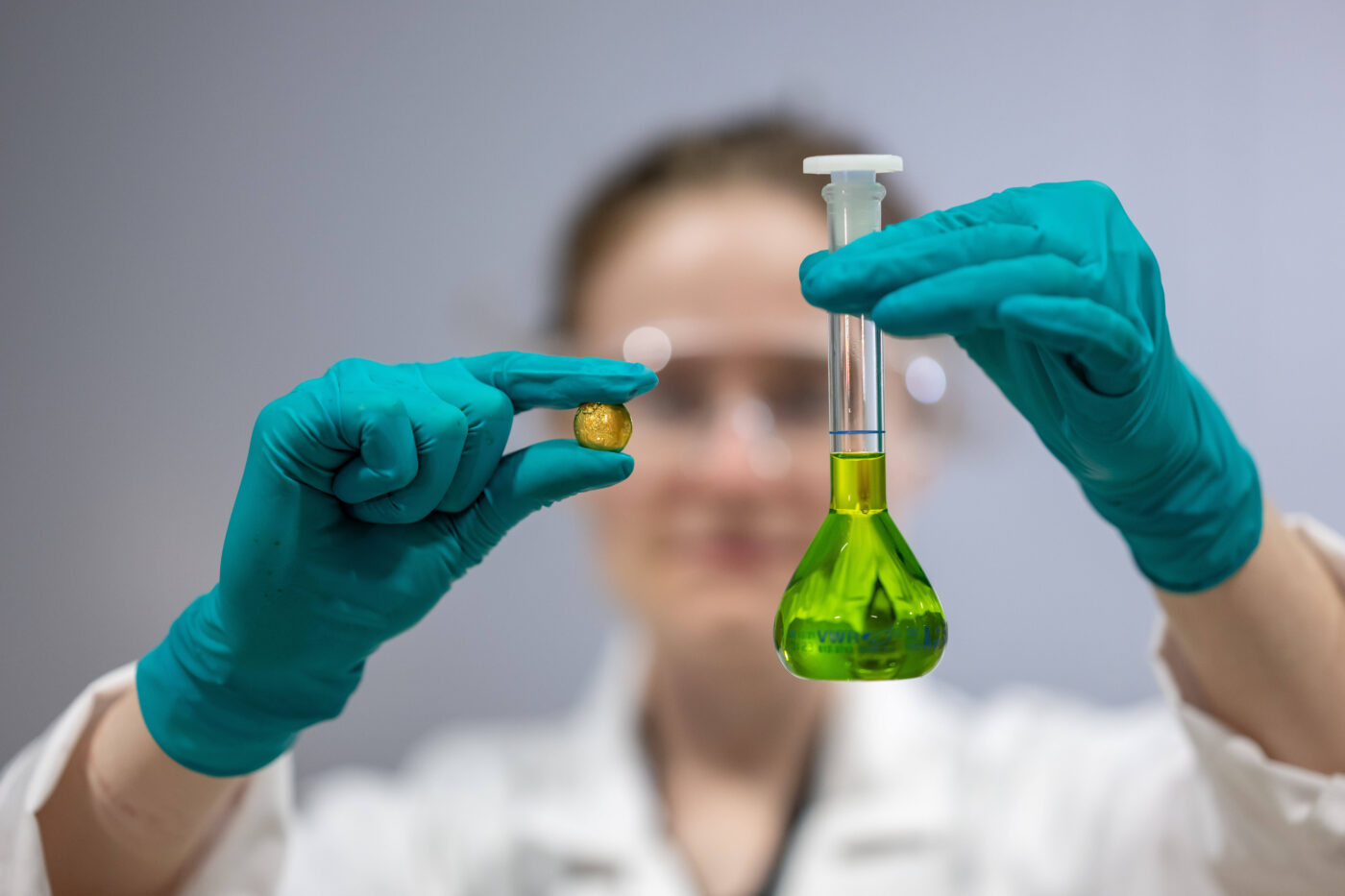
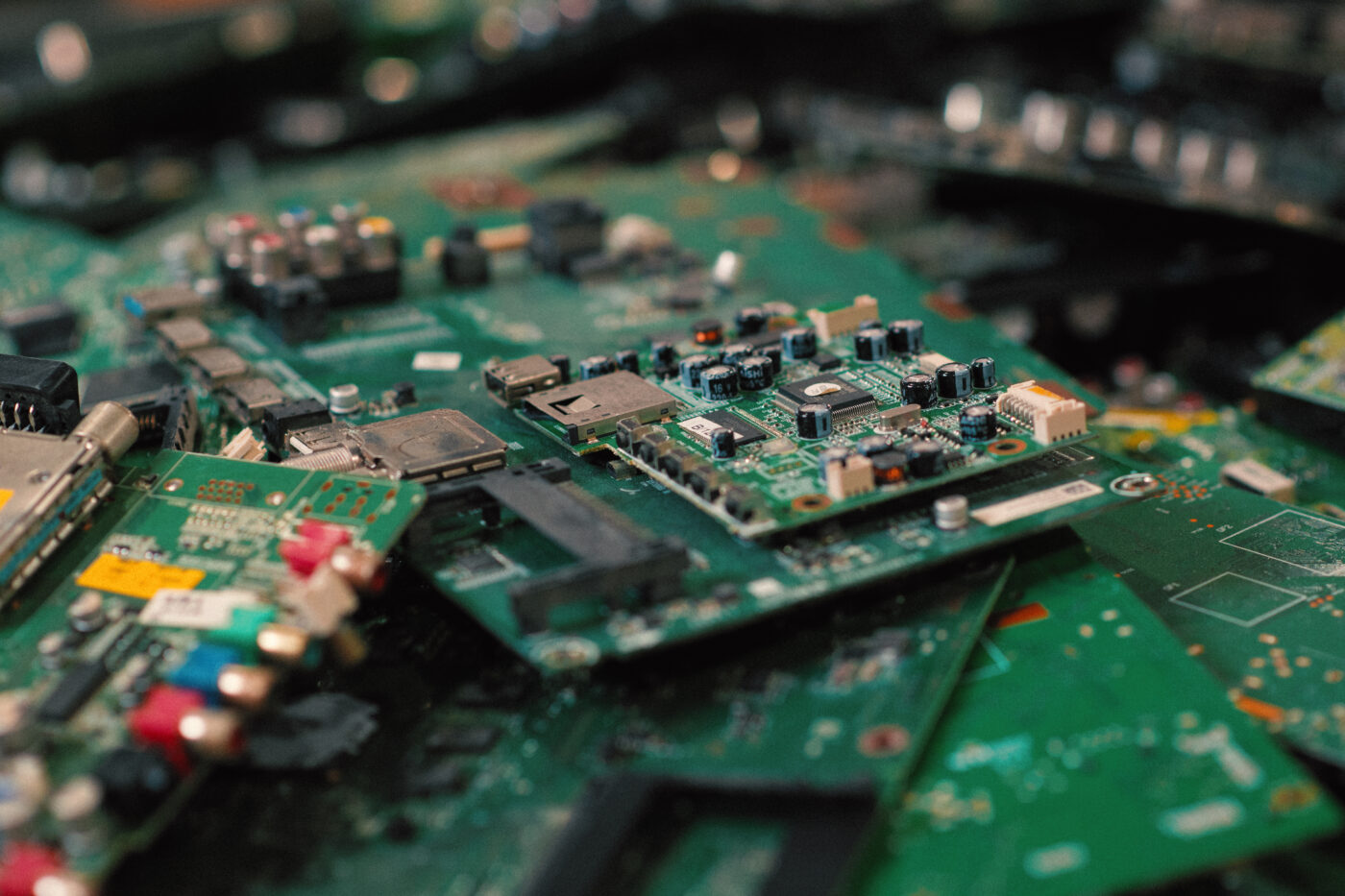
The Royal Mint’s process is akin to reverse engineering, taking finished products and breaking them back down into their component parts. Circuit boards are heated, separated, and sorted, before gold-rich components are treated using Excir’s chemical solution. The gold is then precipitated and refined into pure gold.
Focus is placed on ensuring value is recovered across the entire material stream, not just the gold. Copper, tin, steel, aluminium, and plastics are all reclaimed, as well as critical materials such as tantalum, while the chemical solution is reused multiple times. Each element contributes to broader sustainability objectives.
This is a fully bespoke process, spanning everything from the design of the facility itself to the proprietary chemistry that underpins it – reimagining precision engineering for a new industrial purpose. It represents a world-first in technology and the collaboration has been recognised by the Government of Canada at the G7 Summit as a model for UK-Canada scientific cooperation.
With this new approach, it’s now possible to reduce the environmental impact of e-waste while advancing circular economy principles. The Royal Mint’s facility can process 4,000 tonnes of printed circuit boards annually and is preparing to double this capacity to 8,000 tonnes through streamlining and improving existing operations to maximise efficiency and output. This expansion is driven by both increasing global volumes of electronic waste and the need to scale efficient recovery processes, enabling them to treat more material on-site.-
Circuit boards are sourced from a range of e-waste, including end-of-life computers, mobile phones, and laptops. Wherever possible, reuse is prioritised over recycling through an extensive partnership network. Whole equipment is also processed for clients seeking secure end of life services and a wide range of material supplied by organisations across the UK seeking sustainable disposal solutions.
Recovery: Paving the Way to Net Zero
But The Royal Mint’s ambitions extend well beyond gold recovery. They are targeting a 42% reduction in emissions by 2030, and net zero across its operations and supply chain by 2050. To achieve this, the organisation is investing in the infrastructure and technology required to match those goals. Sourcing silver from redundant X-rays and developing a dedicated energy centre to power its 38-acre site are examples of this thinking. Likewise, none of this is happening in isolation; they are actively building the international relationships needed to drive meaningful change at scale. As an organisation positioning itself as a global leader in sustainable precious metals, it recognises that the next two decades will be defining.
While The Mint is proud of its progress, it actively welcomes others into this space. Collective innovation will define the future of urban mining, with advances already emerging, from bio-based extraction techniques to new material capture technologies. Together, these developments are reshaping the precious metals supply chain.
Find out more about The Royal Mint’s jewellery brand, which showcases sustainable materials and British craftsmanship, on www.royalmint.com.